Electrical work carries a compliance trail that HVAC and plumbing largely do not, and most field service platforms treat it as a note field.
The job is not done when the work is done
An electrical job frequently ends with a permit closed and an inspection passed, days or weeks after the technician left. Software built around same-day service calls models the visit and not the aftermath, so the permit lives in someone’s inbox.
The evaluation question is whether a job can stay open, unbilled or partially billed, with a scheduled follow-up that is not a service call, and whether that state is visible on the dispatch board without cluttering it.
Panel work, service upgrades and the project shape
Service upgrades and panel changes behave like installation projects: quoted, scheduled ahead, materials ordered, utility coordination, inspection. If that is a meaningful share of revenue, the installation-contractor half of the shop-type split applies, and the shortlist changes accordingly.
Shops doing mostly troubleshooting and small remedial work sit on the service-call side, and a simpler product will serve them longer.
Documentation as a deliverable
Photographs of the panel before and after, load calculations, certificates and inspection results are not marketing extras in electrical work; they are the record that protects the contractor. Where they live matters.
Test whether photos attach to the job and survive in a form that can be retrieved two years later by customer address, not just by job number. Retrieval is the part that fails.
Cost, on the published numbers
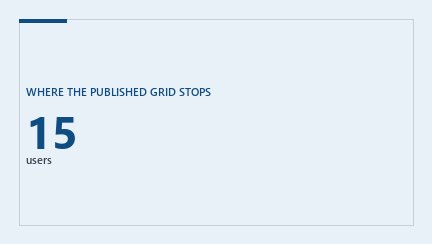
The pricing structure is trade-neutral. Jobber publishes USD 49, USD 139-399, USD 199-499 and USD 499-699 monthly with no commitment across its four tiers, quoted at one, five, ten and fifteen users, with USD 29 per additional user. Housecall Pro publishes USD 79, USD 189 and USD 329 monthly.
ServiceTitan publishes no price at all. Its page names three tiers, lists their features and asks for a demo, so it carries no figure here and none anywhere else on this site.
Nothing in either published price list varies by trade. Any claim that a platform is cheaper “for electricians” is a claim about a discount you would have to negotiate, not about a published rate.
Sources
- Workyard — secondary unverified, read
- Jobber — primary vendor pricing page, read
- Housecall Pro — primary vendor pricing page, read
Vendor pricing changes without notice. Every figure above carries the date it was read. If a vendor’s current page disagrees with this one, the vendor’s page is right and this one is stale — and that is a bug worth reporting.