FSM is just the abbreviation. The rest of the vocabulary is where a buying decision gets lost, because several of these words describe the same product and several describe a module nobody prices separately.
The short answer
FSM stands for field service management, and FSM software is the system of record for work done at a customer’s address. The full definition, and the test for whether you need one, is in what field service management software is — this page is the vocabulary that surrounds it.
The vocabulary matters more than it should, because the same product is sold under at least six names, and a buyer comparing “dispatch software” against an “FSM platform” against a “work order system” is frequently comparing three pages about one thing.
The vocabulary
| Term | What it means | Separately priced? |
|---|---|---|
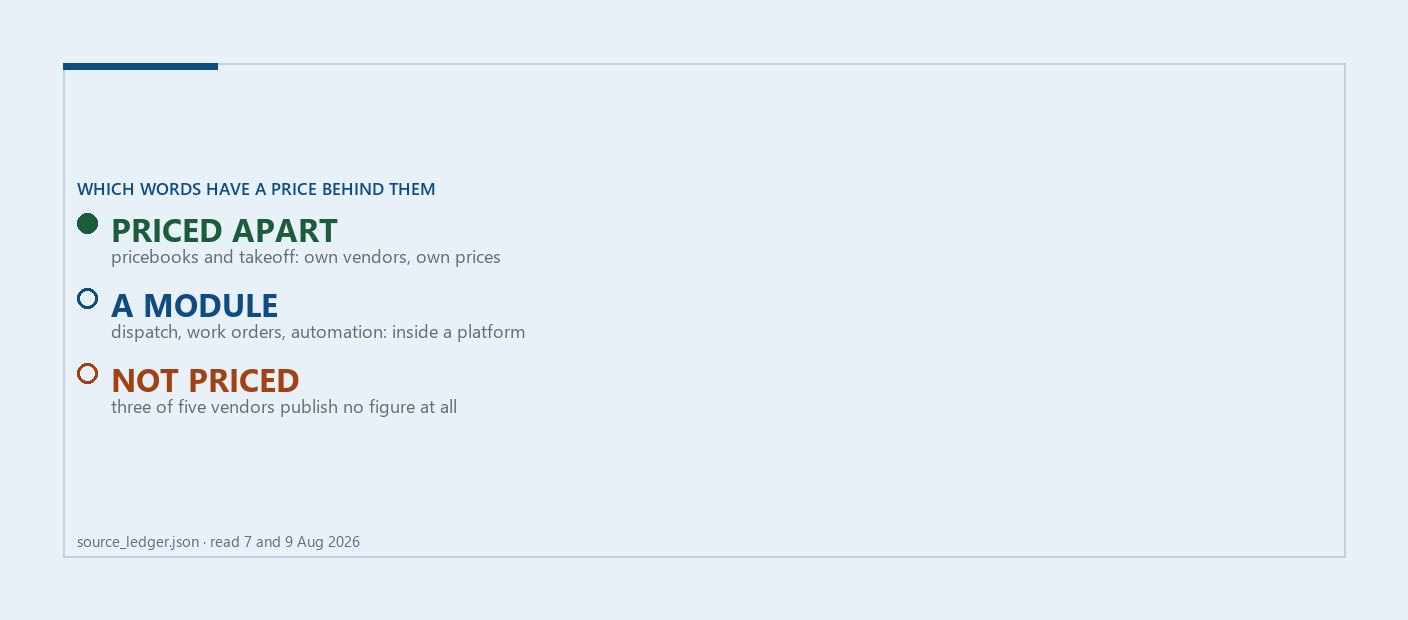
| FSM / field service management | The category. Scheduling, dispatch, mobile, quoting, invoicing, payment | Yes — Jobber from $49 a month. Three of five vendors read publish nothing |
| Dispatch software | The scheduling and assignment module, sold under its own name | No. Every vendor read sells the platform around it |
| Work order software | The job record itself — what was asked for, done, and used | No. A module name |
| Field service automation | A claim about how much of the sequence runs without a person | No — but rationed. Workiz publishes 5, 10 and 30 automations by tier |
| Pricebook / flat rate software | The priced task list presented at the door | Yes, and separately from the platform. From free to $1,800 a book |
| Takeoff / estimating software | Quantities counted off drawings to assemble a bid | Yes, and it is a different industry. From $4,995 outright |
| Service agreement / maintenance module | Recurring contracts and their scheduled visits | No. A tier feature, and often the reason a shop is pushed up a tier |
Two rows are genuinely separate products with their own vendors and their own prices: pricebooks and takeoff estimating. Everything else in this list is a module of one platform, whatever the page it is sold on implies.
The two separately-priced rows each have their own results page and their own trap. They are covered in flat rate software and HVAC estimating software.
The one row where the rationing is visible
“Automation” is the vaguest word in the list, and one vendor has made it unusually concrete — which is useful, and also revealing.
Workiz publishes an automation count against each tier: 5 on Standard, 10 on Pro, 30 on Ultimate. That is a real, countable unit rather than a marketing adjective, and it deserves credit for being one.
The same vendor publishes no price for any of those three tiers. So a buyer can find out exactly how many automations a tier includes, and cannot find out what a tier costs. The unit is countable and the rate is not, which means the thing you would actually want — the cost per automation — is not derivable from the page.
What automation genuinely does and does not cover in a working shop is in field service automation.
A decision map, in four steps
Where to start depends on which of these words brought you here.
- If you do not yet know whether you need the category at all, start with the four conditions in what field service management software is. Meeting fewer than three of them is a legitimate reason to buy nothing.
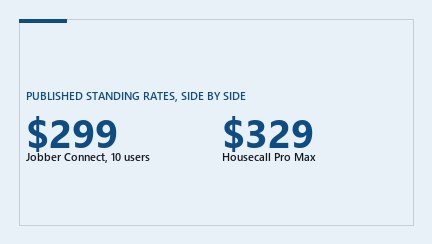
- If you know you need it and want to compare, start where both sides publish prices: Jobber against Housecall Pro.
- If your question is really about the price at the door, it is a pricebook question, not an FSM one — flat rate software.
- If your question is really about drawings, it is an estimating question and a different industry — HVAC estimating software.
Once a shortlist exists, what it costs over three years on published figures only is what the cost calculator is for. It refuses to compute with a price no vendor published, which means it will return less than you want and nothing that is invented.
Why every definition you find is written by a vendor
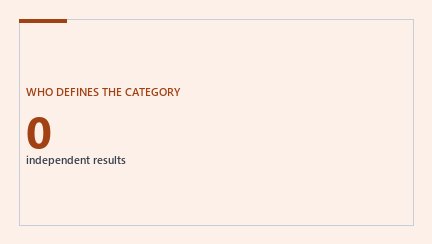
Read on 9 August 2026, the US results page for this abbreviation returned nine results: seven software vendors, a review directory and an app store listing. The longer form of the same question returned six vendors and three directories.
Across both, zero independent publishers. The category has no equivalent of the trade press that covers most industries, and the closest thing to a neutral party is a directory that charges vendors for placement.
The consequence for a buyer is specific rather than general: the vocabulary you are learning was defined by the people selling into it, and terms that would help you compare — what a seat costs, what a tier includes, which module is a product — are the ones the vocabulary is vaguest about.
What this page cannot tell you
- What a Workiz tier costs. Not published, at any tier.
- What ServiceTitan or FieldPulse cost. Not published.
- Whether a vendor’s use of any term above matches this table. These are the common meanings, not a standard. There is no standards body for this vocabulary, which is part of the problem.
Sources
- IFS — primary vendor page, read
- Google US, read first-hand — observed serp, read
- Housecall Pro — primary vendor pricing page, read
- Jobber — primary vendor pricing page, read
- Workiz — quote gated confirmed, read
- ServiceTitan — quote gated confirmed, read
Vendor pricing changes without notice. Every figure above carries the date it was read. If a vendor’s current page disagrees with this one, the vendor’s page is right and this one is stale — and that is a bug worth reporting.